Table of Contents
- Hawaii Home Selling
- Which Areas in Hawaii Offer the Best Return on Investment and Are Easiest for Residential Property Development?
- What Home Styles, Sizes, and Features Tend to Sell Fastest in the Hawaii Market?
- What Should Home Sellers Know About Zoning Laws, Permits, and Regulatory Requirements in Hawaii?
- Which Towns or Cities in Hawaii Are Easiest, and Hardest, When It Comes to Navigating Real Estate Regulations?
- What Are the Most Effective Flipping and Resale Strategies for Maximizing Profit in Hawaii's Housing Market?
- How Should Sellers Price Their Homes to Attract Buyers While Maximizing Value in Hawaii?
- Which Key Economic, Social, and Regulatory Factors Are Driving Current Trends in Hawaii's Local Property Markets?
Hawaii Home Selling
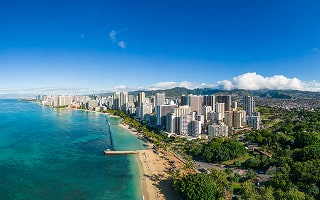
Hawaii's housing market is one of the most expensive in the U.S., fueled by limited land, high construction costs, and persistent buyer demand for island living, second homes, and short-term rentals. These factors keep prices high and often detached from the performance of national housing market trends.
Limited buildable land and a focus on luxury properties in prime coastal and resort areas drive housing costs in Hawaii far above the U.S. median of around $414,000. According to Redfin, the median home price in the Aloha State was $784,000 in October 2025.
Due to the state's smaller population, home sales only number around 1,000 on average. However, a recent jump in the number of homes for sale has resulted in significantly more sales in September and October (+68% and +23% year over year, respectively).
Homes in Hawaii typically take significantly longer to sell than the U.S. median, largely because higher property prices attract a smaller buyer pool. As of October 2025, the median home took 104 days to sell, more than double the national median of 51 days.
On the supply side, Hawaii reported 2.68 private housing authorizations per 1,000 residents in 2024. With 48% of the state's land designated for conservation and 47% reserved for agricultural use, building opportunities are severely limited. Environmental rules and high costs also curb new construction in Hawaii, which is why its permitting rate tends to fall below the national median.
While homes in Hawaii are among the priciest in the nation, the state boasts the lowest average property tax rate (0.27%). Nevertheless, overall ownership costs remain prohibitive for many due to high home values.
Foreclosures in Hawaii are relatively uncommon, with a rate of 1 in every 6,725 housing units (as of October 2025). This low rate reflects strong buyer equity and tighter lending standards in the island market.
Which Areas in Hawaii Offer the Best Return on Investment and Are Easiest for Residential Property Development?
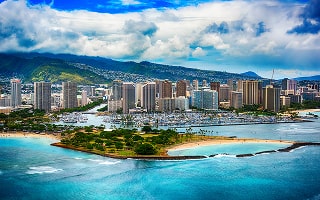
Different cities, towns, and metro areas offer unique advantages for real estate investors, developers, and homeowners. While some locales attract high rental demand, tourist-driven income, and high resale values, others offer luxury and vacation rental opportunities, lower entry prices, and eligibility for rural housing programs.
Across Hawaii, the following cities may be well positioned to offer better opportunities for return on investment and easier residential development:
-
Honolulu (urban core): Anchored by a diverse economy and steady tourism inflows, Honolulu supports strong condo demand for long-term rentals. With over 450,000 monthly visitors, average rents hover around $3,000. However, short-term rentals are limited to designated zones, buyers should always confirm eligibility before investing.
-
Waikoloa (Beach Resort): Known for its resort lifestyle and luxury amenities, Waikoloa has experienced the highest property value growth rates in Hawaii over the last five years. With a median sale price of around $836,826, this city ranks as one of the more affordable places in Hawaii. Since homeowners associations (HOAs) are common on Waikoloa, investors should consider monthly dues, in addition to tax obligations and coastal setback risks.
-
Hilo: With a median home value of around $534,000, Hilo appeals to Hawaii homebuyers seeking lower entry costs. Property values in Hilo have appreciated steadily over the past several years, making it a top target for investors seeking long-term appreciation. However, before buying, investors should check lava-flow hazard zone maps, flood and wind insurance premiums, and cesspool conversion requirements.
-
Maui: Though Maui's median home price declined year over year in 2025, it currently stands at $1.045 million (as of October 2025). Beyond tourism, the island's economy benefits from healthcare, education, and agriculture, providing steady demand for primary residences and investment properties in the region. However, coastal and resort areas require careful underwriting for Association of Apartment Owners (AOAO) fees, short-term rental restrictions, and natural hazard exposure.
-
Kailua-Kona: Kailua-Kona's median home price fell 4% year over year in October 2025 to around $886,000. The town's local housing market benefits from its strategic location as a commerce and transportation hub, with properties selling in about 58 days, significantly faster than the statewide median. As a resort-proximate market, investors should always factor in HOA rules, short-term rental limits, and higher insurance costs.
-
Keaau: Keaau's median sale price is around $454,417, making it one of Hawaii's most affordable property markets. Property values in the city have increased consistently over the last five years, reflecting strong growth potential at a relatively lower entry cost.
-
Wailuku: Wailuku's property values have increased significantly over the past five years, rising to a median sale price of $932,554. Strong demand, limited land, and appealing local amenities contribute to the city's steady price appreciation.
-
Kaka'ako: Kaka'ako features luxury high-rise condos with strong urban appeal. Though home prices are well below peak levels from 2022 and 2023, the district is showing signs of appreciation potential, with median sales prices in the high 600,000s.
-
Kapolei: Kapolei offers a median home price of $610,448, below the statewide median, and average rents of around $2,850. Its relatively affordable home prices, growing economy, and proximity to West Oahu amenities make Kapolei a prime location for real estate investment.
-
Ewa Beach: Ewa Beach offers median home prices of $820,000, with most properties selling in around 75-80 days. Based on its affordability ratio, Ewa Beach is ranked the sixth most affordable housing market in Hawaii.
What Home Styles, Sizes, and Features Tend to Sell Fastest in the Hawaii Market?
Homes in Hawaii spend significantly more time on the market than elsewhere in the U.S. (104 days in Hawaii versus the U.S. median of 51 days). Despite the state's slower sales pace, certain features tend to promote faster sales in Hawaii. They include:
-
![]() Bedrooms: Move-in-ready homes with 3-4 bedrooms and at least 2 bathrooms are highly desirable, appealing to families, second-home buyers, and rental investors. This layout is the "sweet spot" across Hawaii's residential market, offering comfort and enough space for everyday living, home offices, or multigenerational living arrangements, without being oversized. They typically sell faster in suburban and commuter neighborhoods, such as Oahu's Ewa Beach, Kapolei, and Mililani; Maui's Kihei and Lahaina areas; and the Big Island's Kailua-Kona and Hilo suburbs.
Bedrooms: Move-in-ready homes with 3-4 bedrooms and at least 2 bathrooms are highly desirable, appealing to families, second-home buyers, and rental investors. This layout is the "sweet spot" across Hawaii's residential market, offering comfort and enough space for everyday living, home offices, or multigenerational living arrangements, without being oversized. They typically sell faster in suburban and commuter neighborhoods, such as Oahu's Ewa Beach, Kapolei, and Mililani; Maui's Kihei and Lahaina areas; and the Big Island's Kailua-Kona and Hilo suburbs.
-
![]() Size and Lot: Buyers in Hawaii generally seek homes between 1,500-2,500 square feet on 0.25- to 0.5-acre lots, offering adequate living space and manageable yards. Smaller homes (1,500- to 2,000 square feet) suit low-maintenance lifestyles in places like Kapolei, Kihei, and Puna, with room for garden space or modest expansions. Larger homes (2,000-2,500 square feet) sell quickly in Kailua-Kona, Lihue, and Princeville, and suburban Oahu neighborhoods like Mililani, where extra room supports multigenerational living, guest suites, or home offices.
Size and Lot: Buyers in Hawaii generally seek homes between 1,500-2,500 square feet on 0.25- to 0.5-acre lots, offering adequate living space and manageable yards. Smaller homes (1,500- to 2,000 square feet) suit low-maintenance lifestyles in places like Kapolei, Kihei, and Puna, with room for garden space or modest expansions. Larger homes (2,000-2,500 square feet) sell quickly in Kailua-Kona, Lihue, and Princeville, and suburban Oahu neighborhoods like Mililani, where extra room supports multigenerational living, guest suites, or home offices.
-
![]() Style: Homebuyers in Hawaii favor styles that combine comfort, charm, and island functionality. Urban condos and townhouses sell fastest in Honolulu, Kaka'ako, Kahului, and resort hubs, offering walkability and lower upkeep costs. Ranch-style homes thrive in suburban areas like Mililani, Kihei, and Hilo, where buyers appreciate single-level living. Craftsman bungalows and updated cottages sell quickly in historic neighborhoods like Lahaina, Wailuku Makiki, and Hilo, blending vintage character with modern updates. Modern farmhouses and plantation-inspired designs sell fast in Windward Oahu, North Shore, Hamakua Coast, and Upcountry Maui. Cape Cod and Colonial styles sell quickly in Kailua, Laie, Napili, and Makawao.
Style: Homebuyers in Hawaii favor styles that combine comfort, charm, and island functionality. Urban condos and townhouses sell fastest in Honolulu, Kaka'ako, Kahului, and resort hubs, offering walkability and lower upkeep costs. Ranch-style homes thrive in suburban areas like Mililani, Kihei, and Hilo, where buyers appreciate single-level living. Craftsman bungalows and updated cottages sell quickly in historic neighborhoods like Lahaina, Wailuku Makiki, and Hilo, blending vintage character with modern updates. Modern farmhouses and plantation-inspired designs sell fast in Windward Oahu, North Shore, Hamakua Coast, and Upcountry Maui. Cape Cod and Colonial styles sell quickly in Kailua, Laie, Napili, and Makawao.
-
![]() Modern Upgrades: Modern upgrades may speed up sales and attract competitive offers. Open-concept kitchens with islands and durable finishes are popular in family hubs like Kapolei, Kihei, and Kailua-Kona. Energy-efficient features, such as new HVAC, insulated windows, and solar panels, can accelerate home sales in high-utility-cost areas like Honolulu and Lahaina. Updated bathrooms, neutral finishes, and durable flooring appeal to buyers in wetter regions such as Hilo and Princeville. Curb appeal and storm-ready shutters also tend to attract buyer interest and boost confidence across all islands.
Modern Upgrades: Modern upgrades may speed up sales and attract competitive offers. Open-concept kitchens with islands and durable finishes are popular in family hubs like Kapolei, Kihei, and Kailua-Kona. Energy-efficient features, such as new HVAC, insulated windows, and solar panels, can accelerate home sales in high-utility-cost areas like Honolulu and Lahaina. Updated bathrooms, neutral finishes, and durable flooring appeal to buyers in wetter regions such as Hilo and Princeville. Curb appeal and storm-ready shutters also tend to attract buyer interest and boost confidence across all islands.


What Should Home Sellers Know About Zoning Laws, Permits, and Regulatory Requirements in Hawaii?
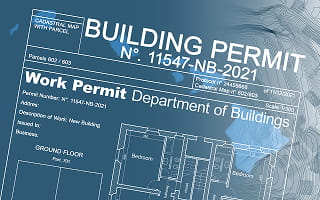
Sellers and developers must confirm local zoning rules and permitting requirements as early as possible, since these directly affect property value and marketability. Buyers, lenders, and title companies often request zoning compliance letters or zoning verification letters from local planning departments or zoning commissions to ensure the property complies with regulations and permitted uses. In cases where a permit or Certificate of Occupancy is required, the absence of these items may delay closing or prevent financing approval. Below is a breakdown of where sellers and developers may encounter stricter and more flexible regulatory regimes in Hawaii:
Strict Zoning Laws
Strict zoning laws in Hawaii regulate how properties may be used, especially in resort, historic, and coastal areas. These rules typically affect building size, renovations, and short-term rental eligibility, making it essential for buyers and developers to check local zoning rules before investing. In Hawaii, these areas include:
- Maui County Historic District: The county restricts building height, use, and structural alterations to preserve the area's character per the Maui County Historic District Ordinance.
- Honolulu (Oahu): The city imposes detailed zoning regulations, including historic overlays, Special Management Area (SMA) permit requirements, and shoreline controls, as well as mandated minimum lot sizes, which restrict new development. All major projects run through Department of Planning and Permitting (DPP) reviews, adding time and cost.
- Hawaii County (Big Island): The county has strict land use regulations, including restrictive minimum lot sizes, island-specific land use designations, and parking requirements that limit opportunities for affordable housing and add time to development.
Less Bureaucratic Zoning Laws
Some parts of Hawaii have less bureaucratic zoning processes, allowing projects to move faster. The permit process is generally simpler, reducing delays and costs for developers and buyers. These areas include:
- City and County of Honolulu: Honolulu specifies the location and size of allowable accessory dwelling units (ADUs) with minimal hearing. However, the Planning Commission is involved during the demolition of ADUs.
- Island of Molokai (Maui County): With no overlay districts and small-scale agricultural and residential zones, the island offers a simplified pathway to obtain permits through its Department of Planning.
Requiring a Special Permit Via a Public Hearing
Some projects, including building in sensitive coastal zones or adding large commercial spaces, require a special permit. This typically involves a public hearing and approval from the local zoning board. The process adds time, costs, and sometimes community input before work may begin. In Hawaii, these areas include:
- Maui County: Major permits for Special Management Areas, such as agricultural districts, require a public hearing and approval from the Maui Planning Commission.
- City and County of Honolulu: A special use permit is required for unusual and reasonable uses that are not listed as permissible within its agricultural districts. The process requires review by the Planning Commission or Land Use Commission.
- Kauai County: The Planning Commission requires a public hearing for special permits for developers looking to change approved uses on agricultural or rural land.
Need for a Certificate of Occupancy
A Certificate of Occupancy (CO) is sometimes mandatory before a property may be legally occupied or used. Issued by the county building department, the CO confirms that construction or renovations meet all building codes, safety standards, and zoning rules. Without it, owners may not be able to rent, sell, or occupy the property legally, and insurers may deny coverage.
A CO is required in most jurisdictions statewide after new builds or major remodels. Investors in certain areas, including Honolulu, Maui County, and Kauai County, should plan for multi-trade inspections. The process typically involves inspections for electrical, plumbing, structural integrity, and fire safety. For developers, flippers, or landlords, securing a CO early can help prevent costly delays and facilitate a smooth closing.
Areas that Require a Historic Commission Approval for Certain Renovations
Properties located in historic districts or listed on historic registers require approval from the local historic commission before certain renovations, material changes, or exterior modifications may be made. This rule helps preserve the area's cultural and architectural heritage. Some of these areas in Hawaii include:
- City and County of Honolulu (Parts of Chinatown): Developments in the shoreline setback areas or SMAs require a design review from the Planning and Permitting Department before a building permit may be obtained.
- Maui County (Lahaina/Wailuku): The Cultural and Historic Commission reviews and approves all building construction activities within its historic districts.
- Kauai County (Hanalei): The Kauai Historic Preservation Review Commission reviews all archaeological and building design within its historic district. The commission holds public meetings to review and confirm that all development of new structures and alterations complies with the existing character and style of the district.
Which Towns or Cities in Hawaii Are Easiest, and Hardest, When It Comes to Navigating Real Estate Regulations?

Home sellers and developers must comply with local real estate regulations, such as zoning, permitting, and building codes, to protect property value and avoid legal problems. Staying compliant prevents delays, failed closings, or fines, and makes a property more attractive to buyers. Below is a breakdown of jurisdictions across Hawaii, from development-friendly regions to those with restrictive laws:
Development-Friendly Areas
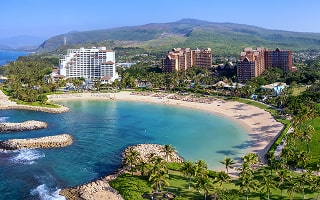
Some areas in Hawaii are more development friendly, with faster permitting, flexible zoning, and fewer layers of review. These locations have clearer land use plans and less restrictive overlays, allowing for quicker project approvals:
- Ho'opili/Ewa Plain (Oahu): Ho'opili in the Ewa Plain benefits from large-scale master planning, huge infrastructure, and clear entitlements, making it easier for developers to build spec homes efficiently.
- Kapolei/Central Oahu: The county anticipates significant growth due to the launch of the East Kapolei Infrastructure Implementation Master Plan, resulting in more predictable permitting processes and better utility infrastructure planning.
- Maui County: The county provides a centralized platform to apply for construction and development permits through its Permits and Development page. Developers may also check permit statuses online.
- Hawaii County: The county provides a Permit Information page for the application of building permits using its Electronic Processing and Information Center (EPIC) system. It also offers a guide and the option of a paper application for building permits.
Moderately Regulated Areas
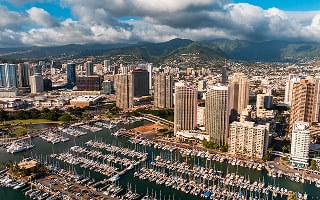
These cities have rules that must be followed closely but aren't overly restrictive, allowing projects to move without major delays:
- City and County of Honolulu: The City and County Planning and Permitting Department oversees the permitting system. It requires applicants to complete a pre-application before submitting a building permit application.
- Kaua'i County (Towns, cores, and coastal parcels): The zoning code in Kaua'i County is clear and well defined, particularly within town cores and coastal parcels. However, development in these special areas is subject to SMA and shoreline setback regulations.
- Wailuku and Kahului: The district promotes mixed-use development, allowing for a variety of uses, including residential, commercial, and public facilities, through its Zoning and Development Code. However, certain development within this district requires approval from the Maui Planning Commission.
Highly Restrictive or Bureaucratic Areas
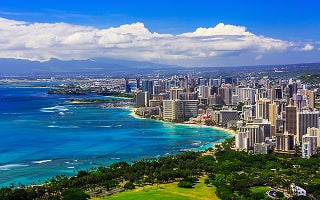
Highly restrictive or bureaucratic areas have strict rules and lengthier approval times for building or renovations. Community resistance, historic protections, and environmental reviews may slow projects. In Hawaii, some of these areas include:
- Kaua'i County: The county's environmental review process and consistency checks with the Kaua'i General Plan add layers of bureaucracy to development projects, especially in shoreline and conservation zones.
- City and County of Honolulu (Coastal parcels and Special Management Areas): Honolulu's Department of Planning and Permitting enforces stringent coastal and SMA regulations to protect its shoreline resources. An SMA permit is required for all development within the SMA. Additionally, developments within the shoreline setback area may require a Shoreline Setback Variance.
- Lahaina and West Maui's Historic Cores: In Lahaina and West Maui's historic cores, development is subject to a strict review process. Any alterations and new constructions are subject to review by the Cultural Resources Commission.
Regulatory Climate Factors
Hawaii's regulatory climate differs across islands, counties, and even neighborhoods, affecting development, renovations, and flips. Local zoning, permitting, short-term rental rules, historic protections, and environmental restrictions may speed or delay projects. Understanding these rules in Honolulu, Maui, Kauai, and the Big Island is essential for smooth, profitable real estate investments, renovations, and sales.
Below is an outline of Hawaii's local regulatory factors, their impact on property development in the state, and where they're often found.
Factor |
Impact on Development |
Where It's Found |
|---|---|---|
Zoning Flexibility |
Determines ease of land use |
Honolulu, Ho'opili/Ewa Plain, Kapolei, parts of Central Oahu, and subdivisions on the Big Island and Maui |
Historic Preservation Laws |
Adds restrictions |
Lahaina and other Maui historic cores, Hilo downtown, North Shore, Oahu, Waikiki/Chinatown historic zones, and Kaua'i town centers |
Wetlands/Conservation |
Limits buildable land |
Hanalei and North Shore wetlands, Hilo and Hamakua coastal wetlands, Kahului and Ma'alaea marsh zones |
Inclusionary Zoning |
Requires affordable units |
Affordable housing program in Honolulu and Maui County initiatives |
Building Code Enforcement |
Affects cost/speed |
City and County of Honolulu, Maui County, Hawaii County, and Kaua'i County |
Local Politics/NIMBYism* |
Blocks or delays projects |
Lahaina, North Shore Oahu, Kahala, and select Maui resort communities |
*NIMBYism - Not in My Backyard
What Are the Most Effective Flipping and Resale Strategies for Maximizing Profit in Hawaii's Housing Market?
Despite high property prices and a smaller population than most U.S. states, Hawaii still sees strong demand for homeownership. For investors looking to buy and sell in the Aloha State, here are some of the most effective flipping and resale strategies to help maximize returns on investment:
-
![]()
Target Distressed or Foreclosed Homes: Targeting distressed or foreclosed homes in Hawaii may yield significant savings on acquisition costs, especially in counties like Honolulu, Maui, and Kaua'i, where sheriff sales and auctions offer properties at up to 30% below market value. These deals may deliver high profit margins for experienced flippers.
-
![]()
Use the 70% Rule: The 70% rule helps Hawaii investors avoid overpaying by capping offers at 70% of the after-repair value (ARV) after deducting repair costs. This approach aims to safeguard profits even if unexpected costs arise or local markets decline. In higher-cost areas like Honolulu, Kailua, Kihei, and Princeville, investors can use 70% as a benchmark, adjusting the range as needed to account for shipping costs, labor, and permit delays. For resort and coastal areas like Lahaina, Waikiki, Hilo, and Poipu, factor in rising insurance costs, HOA fees, and AOAO fees.
-
![]()
Renovate with Quality, Don't Cut Corners: Quality renovations pay off, especially in luxury areas such as Kaka'ako, Princeville, Wailea, and Kailua-Kona. Upgrades such as open-concept kitchens, spa-style bathrooms, and energy-efficient HVAC systems attract buyers willing to pay more for high-end finishes. In upscale neighborhoods like Hawai'i Kai, Lahaina, and Hanalei, premium finishes, such as stone countertops, hardwood floors, and custom cabinetry, may help homes sell for more than the asking price.
-
![]()
Follow the BRRRR Method (Buy, Rehab, Rent, Refinance, Repeat): The BRRRR method is ideal in Hawaii markets with stable rental demand. With this strategy, investors improve a property, rent it for cash flow, refinance to pull equity, and repeat the process using the recycled capital. This method is ideal in university towns like Hilo and Wailuku, where student housing ensures steady occupancy.
-
![]()
Go Beyond Cosmetic Work (Value-Add Flipping): Adding legal bedrooms, converting lanais, or building permitted ohana units (ADUs), common in places like Kailua, Hilo, and Lahaina, may significantly increase the ARV because land is scarce. To succeed with this strategy, investors should understand zoning, coastal setback rules, and ohana allowances, especially in Honolulu, Maui, and Hawaii Counties. In addition, investors should always confirm SMA/shoreline and HOA limits.
-
![]()
Use Staging and Strategic Pricing: Staging and strategic pricing may help Hawaii homes sell faster and for more money. Professional staging using neutral colors and attractive furnishings can help buyers visualize living in the space, boosting emotional appeal. When staging is paired with charm pricing, such as listing at $699,900 instead of $700,000, it can attract more online views, encouraging multiple offers. This approach is ideal in high-demand areas like Kaka'ako, Waikiki, Kihei, Lahaina, Kailua-Kona, and Princeville.


How Should Sellers Price Their Homes to Attract Buyers While Maximizing Value in Hawaii?
When selling a home in Hawaii, it's important to work with a local real estate agent or licensed appraiser to review active, pending, and recently sold comparables from the past 90 days. This 90-day window captures current demand, seasonal trends, and buyer behavior in the neighborhood. It helps ensure your list price aligns with market conditions and positions your home to attract serious buyers. By leveraging local agents and appraisers, sellers can maximize their sale price, reduce time on the market, and avoid financing issues. Generally, sellers can incorporate the following strategies to attract buyers in Hawaii:
-
![]() Pricing Just Below Below Market Thresholds: Pricing just below market thresholds is a strategy that lists homes slightly under round numbers, such as $699,900 instead of $700,000, to increase online search visibility and attract more buyers. This approach is ideal in fast-moving suburban or commuter-friendly markets across Hawaii, including Kihei, Lahaina, Kapolei, Ewa Beach, Mililani, and Pearl City. By creating the perception of a good deal, the property gets more traffic and showings, increasing the chance of a quick sale.
Pricing Just Below Below Market Thresholds: Pricing just below market thresholds is a strategy that lists homes slightly under round numbers, such as $699,900 instead of $700,000, to increase online search visibility and attract more buyers. This approach is ideal in fast-moving suburban or commuter-friendly markets across Hawaii, including Kihei, Lahaina, Kapolei, Ewa Beach, Mililani, and Pearl City. By creating the perception of a good deal, the property gets more traffic and showings, increasing the chance of a quick sale.
-
![]() Charm Pricing (Psychological Pricing): Here, sellers set prices ending in 7s or 9s, such as $589,997 instead of $590,000, to make the property feel like a better deal. Charm pricing appeals to buyers scanning listings for value, especially in mid-tier and commuter neighborhoods, including Mililani, Pearl City, and Kapolei.
Charm Pricing (Psychological Pricing): Here, sellers set prices ending in 7s or 9s, such as $589,997 instead of $590,000, to make the property feel like a better deal. Charm pricing appeals to buyers scanning listings for value, especially in mid-tier and commuter neighborhoods, including Mililani, Pearl City, and Kapolei.
-
![]() Pricing to Create a Bidding War: Pricing to create a bidding war is a strategy where a property is intentionally listed slightly below recent market prices to generate multiple offers and create competitive tension. This approach works best in high-demand, low-inventory markets with strong buyer interest, such as urban Honolulu condos, Kaka'ako lofts, Kailua family homes, and select North Shore beachfront lots. By listing a home at up to 8% below comps, sellers can create urgency, attract multiple bidders, and possibly drive up the final sale price above the original ask.
Pricing to Create a Bidding War: Pricing to create a bidding war is a strategy where a property is intentionally listed slightly below recent market prices to generate multiple offers and create competitive tension. This approach works best in high-demand, low-inventory markets with strong buyer interest, such as urban Honolulu condos, Kaka'ako lofts, Kailua family homes, and select North Shore beachfront lots. By listing a home at up to 8% below comps, sellers can create urgency, attract multiple bidders, and possibly drive up the final sale price above the original ask.
-
![]() High-Anchor Pricing (Test the Waters): High-anchor pricing is a strategy for unique, luxury, or resort properties where sellers list at the top of the local price range to gauge buyer interest. By listing at the higher end of the market range (for instance, $1.3 million in a $1.05 million-$1.30 million market), sellers leave room for negotiation or future price reductions. This signals quality to buyers and may result in a sale price that's higher than the lower end of the market range. It works in areas with distinctive homes or where inventory is limited, such as Wailea, Lahaina, Princeville, Turtle Bay, and Kailua-Kona.
High-Anchor Pricing (Test the Waters): High-anchor pricing is a strategy for unique, luxury, or resort properties where sellers list at the top of the local price range to gauge buyer interest. By listing at the higher end of the market range (for instance, $1.3 million in a $1.05 million-$1.30 million market), sellers leave room for negotiation or future price reductions. This signals quality to buyers and may result in a sale price that's higher than the lower end of the market range. It works in areas with distinctive homes or where inventory is limited, such as Wailea, Lahaina, Princeville, Turtle Bay, and Kailua-Kona.
-
![]() Price-Per-Square-Foot Benchmarking: Price-per-square-foot benchmarking helps sellers set competitive prices by comparing their home's price per square foot to similar properties nearby. This pricing approach is ideal in highly comparable settings such as urban Honolulu condos, Kaka'ako townhomes, cookie-cutter subdivisions like Mililani, Pearl City, and West Maui tract homes.
Price-Per-Square-Foot Benchmarking: Price-per-square-foot benchmarking helps sellers set competitive prices by comparing their home's price per square foot to similar properties nearby. This pricing approach is ideal in highly comparable settings such as urban Honolulu condos, Kaka'ako townhomes, cookie-cutter subdivisions like Mililani, Pearl City, and West Maui tract homes.
-
![]() Appraisal-Backed Pricing: Appraisal-backed pricing helps sellers avoid financing issues by listing homes near the expected appraised value, ensuring buyers secure loans without having to cover appraisal gaps. This approach is critical in markets where buyers use FHA, VA, or conventional financing. Appraisal-backed pricing is key for condos and entry-level single-family homes, where financing caps often set borrowing limits, especially in neighborhoods like Honolulu, Hilo, Puna, Kahului, Wailuku, and Kapolei. Listing close to recent appraised comps shortens the sales process and builds buyer confidence while protecting sellers' proceeds.
Appraisal-Backed Pricing: Appraisal-backed pricing helps sellers avoid financing issues by listing homes near the expected appraised value, ensuring buyers secure loans without having to cover appraisal gaps. This approach is critical in markets where buyers use FHA, VA, or conventional financing. Appraisal-backed pricing is key for condos and entry-level single-family homes, where financing caps often set borrowing limits, especially in neighborhoods like Honolulu, Hilo, Puna, Kahului, Wailuku, and Kapolei. Listing close to recent appraised comps shortens the sales process and builds buyer confidence while protecting sellers' proceeds.
-
![]() Net-to-Seller Pricing: Here, sellers calculate their desired take-home proceeds after commissions, closing costs, and potential repairs, then set a realistic list price to meet that goal. With this strategy, sellers avoid overpricing, reducing days on the market, and attracting serious buyers. This strategy is useful for higher-cost, low-equity sales, and in markets where sellers have to meet tight financial goals, such as Big Island, Maui, Kapolei, and Ewa Beach.
Net-to-Seller Pricing: Here, sellers calculate their desired take-home proceeds after commissions, closing costs, and potential repairs, then set a realistic list price to meet that goal. With this strategy, sellers avoid overpricing, reducing days on the market, and attracting serious buyers. This strategy is useful for higher-cost, low-equity sales, and in markets where sellers have to meet tight financial goals, such as Big Island, Maui, Kapolei, and Ewa Beach.
-
![]() Urgency Pricing (Motivated Seller Strategy): With urgency pricing, sellers list the property below its full market value (typically 10%-15% lower) to attract immediate attention and offers. It's ideal where sellers need a fast sale, such as estate settlements, relocations, or pre-foreclosure situations. Urgency pricing is ideal in high-demand areas such as Honomu, Volcano, Pearl City, or Kailua-Kona, and in time-sensitive situations. It shortens time on the market, reduces holding costs, and prevents prolonged vacancy.
Urgency Pricing (Motivated Seller Strategy): With urgency pricing, sellers list the property below its full market value (typically 10%-15% lower) to attract immediate attention and offers. It's ideal where sellers need a fast sale, such as estate settlements, relocations, or pre-foreclosure situations. Urgency pricing is ideal in high-demand areas such as Honomu, Volcano, Pearl City, or Kailua-Kona, and in time-sensitive situations. It shortens time on the market, reduces holding costs, and prevents prolonged vacancy.


When selling a home in Hawaii, it's important for sellers to align their pricing strategy to match the market where their property is located. This can help speed up sales and protect profits. The table below can help you choose the best pricing strategy based on current market conditions in your property's locale.
Market Condition |
Best Strategy |
|---|---|
Seller's Market |
Underpricing for a bidding war |
Buyer's Market |
Charm pricing or net-to-seller |
Unique, luxury home |
High-anchor + value justification |
Entry-level home |
Just below threshold |
Urgent sale needed |
Aggressive urgency pricing |
Flipper or investor listing |
Appraisal-backed or price-per-square-foot |
Which Key Economic, Social, and Regulatory Factors Are Driving Current Trends in Hawaii's Local Property Markets?

Hawaii's property market is shaped by the state's economy, limited land, premium prices, and high demand from residents and tourists. These following factors are some of the main drivers of demand and supply in Hawaii's real estate market:
![]() Economic Factors
Economic Factors
 Economic Factors
Hawaii's economy relies heavily on tourism. By 2028, visitor spending is forecasted to reach $28.8 billion, while the unemployment rate is expected to decline to 2.7%, reaching pre-pandemic levels by that same time. These metrics boost property values, especially for short-term rentals in hotspots like Waikiki and Lahaina. With over 11 million visitors to the Aloha State each year, increased demand for vacation homes continues to attract investors seeking short-term rental returns. However, the cost of living is high, with a median single-family home price of nearly $1 million and mortgage rates ranging between 6% and 7%, limiting homeownership for most residents.
Housing construction lags behind other states due to a smaller population, limited buildable land, and the high cost of materials. Additionally, regulatory hurdles and labor constraints keep new construction far below demand, reducing supply and increasing competition for existing homes, driving prices up while boosting investors' interests.
![]() Demographic and Social Factors
Demographic and Social Factors
 Demographic and Social Factors
Migration influences the state's population, housing demand, and overall economy, shaping market trends across Hawaii's islands and communities. Recent data shows that more people are moving into Hawaii (around 72,000 in 2023 alone), especially from big cities in California, Washington, and Texas. While the state experiences domestic migration, international arrivals keep the overall migration rate positive over the years. New resident arrivals continue to boost demand, competition, and prices in hotspots like Honolulu, Kailua, Lahaina, and Hilo, while out-migration is helping ease pressure in some smaller markets, such as Wailuku and Waianae.
With a median age of 40.3 years, homebuyers in Hawaii generally fall into three groups: locals looking for practical features like good schools and garages, wealthy second-home buyers seeking views and amenities, and short-term rental investors prioritizing flexibility and easy management.
![]() Regulatory and Legal Framework
Regulatory and Legal Framework
 Regulatory and Legal Framework
Hawaii's property market is shaped by strict local rules. Short-term rentals face increasing limitations, particularly on Oahu and Maui. Therefore, investors should confirm current minimum-stay and zoning rules before underwriting new deals. Land-use laws, including shoreline setbacks, coastal zone rules, and environmental protections, affect development in areas like Kailua-Kona and Hilo, adding costs and extending project timelines. County permitting can also be lengthy, especially in Oahu and Maui. Many condos and resorts, particularly in Honolulu and Princeville, have HOA or AOAO rules restricting rental renovations or fees.
![]() Taxation and Fiscal Policy
Taxation and Fiscal Policy
 Taxation and Fiscal Policy
Although Hawaii's property tax rates are the lowest in the U.S., its high property values, especially in Honolulu, Maui, and Kaua'i, means property owners still face sizable tax bills. Combined with Hawaii's overall high income and local tax burden (ranking one of the highest nationally), this significantly affects affordability. Recent increases in hotel and short-term rental taxes from 10.25% to 11% in areas such as Waikiki, Lahaina, Princeville, and Kailua-Kona, aim to fund climate resilience projects. These changes raise operating costs for tourist-heavy rental properties, reducing yields for investors and homeowners.
![]() Housing Policy and Government Programs
Housing Policy and Government Programs
 Housing Policy and Government Programs
Investment in Hawaii airports continues to facilitate in-migration, particularly in areas like Waikiki and Lahaina. Additionally, broadband expansion projects attract remote workers and boost suburban housing demand in Hilo, Kailua-Kona, Kapa'a, Mililani, and Kapolei. Post-disaster rebuilding in areas like Lahaina increases permits and labor demand but also raises materials costs and insurance rates. The Ka Lei Momi Redevelopment Project targets 10,000 new public and workforce units in Honolulu, Maui County, and Hawaii County, helping create more affordable housing in the state. However, funding gaps and political opposition continue to slow progress.
![]() Infrastructure and Development Trends
Infrastructure and Development Trends
 Infrastructure and Development Trends
The Skyline Rail Project is transforming how and where people live and work. Stretching from East Kapolei toward Ala Moana, the project links growing suburbs to Honolulu's core, reducing commute times and encouraging transit-oriented development. Planned rezoning in areas like Kapolei, Waipahu, Pearl City, Aloha Stadium, and Downtown Honolulu could create vibrant mixed-use districts.
![]() Market Sentiment and Investor Behavior
Market Sentiment and Investor Behavior
 Market Sentiment and Investor Behavior
Despite persistently high prices, Hawaii's housing market has shown signs of cooling. With only 13.9% of homes selling above the asking price in October 2025 (down 7.5% year over year) and the sale-to-list price ratio falling to 97.6%, buyer demand has become less aggressive. However, active listings rose by double digit percentages year over year in 2025, boosting choices for buyers. Though the state has shown some volatility, cities like Honolulu, Kailua, Kahului, Lahaina, and Kapolei are experiencing more balanced conditions. Many investors now focus on long-term rental housing, high-value views, resort properties, or value-add projects, like permitted ohana units and other ADUs.
Hawaii's housing market is shaped by geographic limits, high demand, and varying regulations. Across the islands, property values are influenced by location, neighborhood appeal, and access to amenities, while historic charm and modern upgrades continue to drive buyer interest. Sellers and developers must navigate complex zoning, permitting, and coastal or historic regulations to protect value.
High-demand and emerging growth areas offer strong returns for investors, but costs and timeliness vary depending on local policies and community attitudes. Effective pricing strategies, quality renovations, and strategic marketing are essential for maximizing resale value, especially in luxury, entry-level, or investor-targeted segments. Buyers increasingly expect modern features, energy-efficient upgrades, and functional layouts, further influencing market trends. Overall success in Hawaii's real estate market requires careful planning, awareness of regulatory climates, and understanding the best pricing strategies to suit your property and local market conditions.
Table of Contents
- Hawaii Home Selling
- Which Areas in Hawaii Offer the Best Return on Investment and Are Easiest for Residential Property Development?
- What Home Styles, Sizes, and Features Tend to Sell Fastest in the Hawaii Market?
- What Should Home Sellers Know About Zoning Laws, Permits, and Regulatory Requirements in Hawaii?
- Which Towns or Cities in Hawaii Are Easiest, and Hardest, When It Comes to Navigating Real Estate Regulations?
- What Are the Most Effective Flipping and Resale Strategies for Maximizing Profit in Hawaii's Housing Market?
- How Should Sellers Price Their Homes to Attract Buyers While Maximizing Value in Hawaii?
- Which Key Economic, Social, and Regulatory Factors Are Driving Current Trends in Hawaii's Local Property Markets?